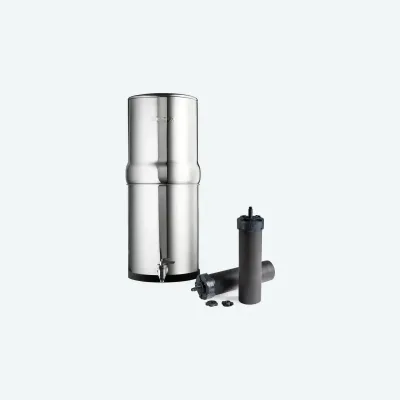
LifeStraw Home water filter pitcher review: listing, filters and speed
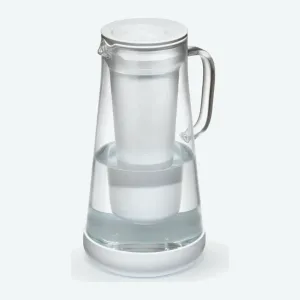
3 filters: 1 pitcher, 1 gravity filter and 1 bottle, $44.95 to $95.95. The LifeStraw Home water filter pitcher to buy is the 7-Cup Glass, $64.95 (checked Oct 15, 2026). It's the only LifeStraw product I found in a certifier listing: WQA lists it to NSF/ANSI 53 for lead, mercury, cadmium, copper and cysts, and to NSF/ANSI 401 for microplastics. The trade-offs are two filters at about $127 a year and slow filtering, the top complaint on Amazon.
 By Daryna Klochko · Published · Prices and listings checked Oct 15, 2026
All 3 LifeStraw filters
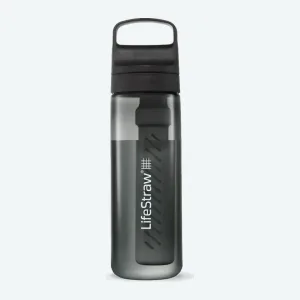
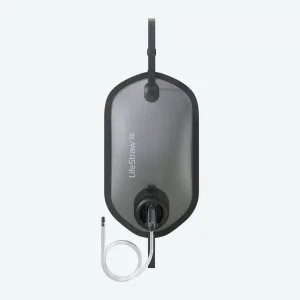
Listing: "certified" counts only substances in the certifier's public listing for that model. LifeStraw's own reduction claims that are not in a listing are shown separately on each model page.
Verdict: which LifeStraw Home to buy and what to skip
WQA lists it to NSF/ANSI 53 for lead, mercury, cadmium, copper, cysts and turbidity, to NSF/ANSI 401 for microplastics and nine other substances, and to NSF/ANSI 42 for chlorine taste and odor. It costs $64.95 (checked Oct 15, 2026) and scores 9.5 out of 10.
The pitcher takes two: a $16.95 carbon filter every 2 months and a $24.95 membrane once a year, at LifeStraw's prices on October 15, 2026. A Brita Denali with the Elite filter is listed for lead and microplastics at about $40 a year.
LifeStraw says a full reservoir takes 20 to 25 minutes once the filters are broken in. On Amazon, 314 of the 385 reviews that mention filtering speed are negative.
The Home Essential pitchers and both Home dispensers take the same two filters, but WQA names only the 7-Cup Glass.
LifeStraw says its carbon filter reduces PFAS, but no listing covers it. LifeStraw says the filter doesn't take out fluoride.
Alternatives with a lead or PFAS listing
If the LifeStraw's filter cost or speed puts you off, these pitchers and dispensers are listed for lead, and one for PFAS. Prices and listings checked October 13–15, 2026.
Prices on brand sites and WQA and IAPMO listings, checked October 15, 2026
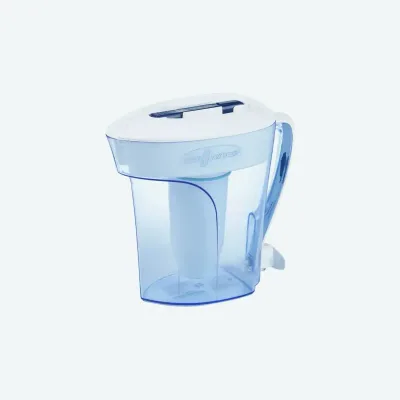
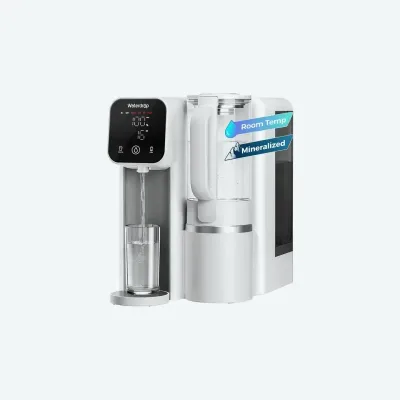
The Brita Denali Elite is the low-cost match for the LifeStraw's lead and microplastics claims, in plastic. The Waterdrop ED01 holds 15 cups and pours from a tap. The ZeroWater 10 Cup is the one here listed for PFOA and PFOS. ZeroWater doesn't publish a replacement interval, and IAPMO rates its filter for 15 gallons. To compare pitchers with faucet, under-sink and reverse osmosis filters, see all water filters by type.
LifeStraw Home pitchers and dispensers: the lineup
LifeStraw sells five Home models in the US, and all of them run on the same pair of filters. The filter page says they are “compatible with all LifeStraw Home Pitcher and Dispenser products.” What differs is the size, the material and whether a certifier names the model. How the glass pitcher ranks against other brands is in the water filter pitchers compared.
| Model | Price | Holds | Body | In the WQA listing |
|---|---|---|---|---|
| Home 7-Cup Glass | $64.95 | 7 cups | Borosilicate glass, silicone base | Yes: NSF/ANSI 42, 53, 401 |
| Home Essential 7-Cup | $39.95 | 7 cups | Plastic | Not named |
| Home Essential 10-Cup | $44.95 | 10 cups | Plastic | Not named |
| Home Dispenser | $64.95 | 18 cups | BPA-free plastic | Not named |
| Home High-Capacity Dispenser | $85.95 | 35 cups (2.2 gallons) | BPA-free plastic | Not named |
The Home 7-Cup Glass is the only one in the database, because it's the only one a certifier names. A listing covers only the model it names, so I don't extend it to a plastic Home model with the same filters. If you want a plastic body or more water at once, you're buying LifeStraw's word rather than a listing.
The glass pitcher holds up to 7 cups of filtered water, about 56 ounces, per cycle, by LifeStraw's answer to an owner question on the product page. LifeStraw says the glass body is dishwasher safe and the lid is hand-wash only.
What WQA lists the LifeStraw Home pitcher for
The Water Quality Association lists the LifeStraw Home Glass 7-Cup under three standards, as of October 15, 2026. The listing holder is Vestergaard Frandsen Inc., the company behind LifeStraw. I found no LifeStraw product in the NSF or IAPMO databases.
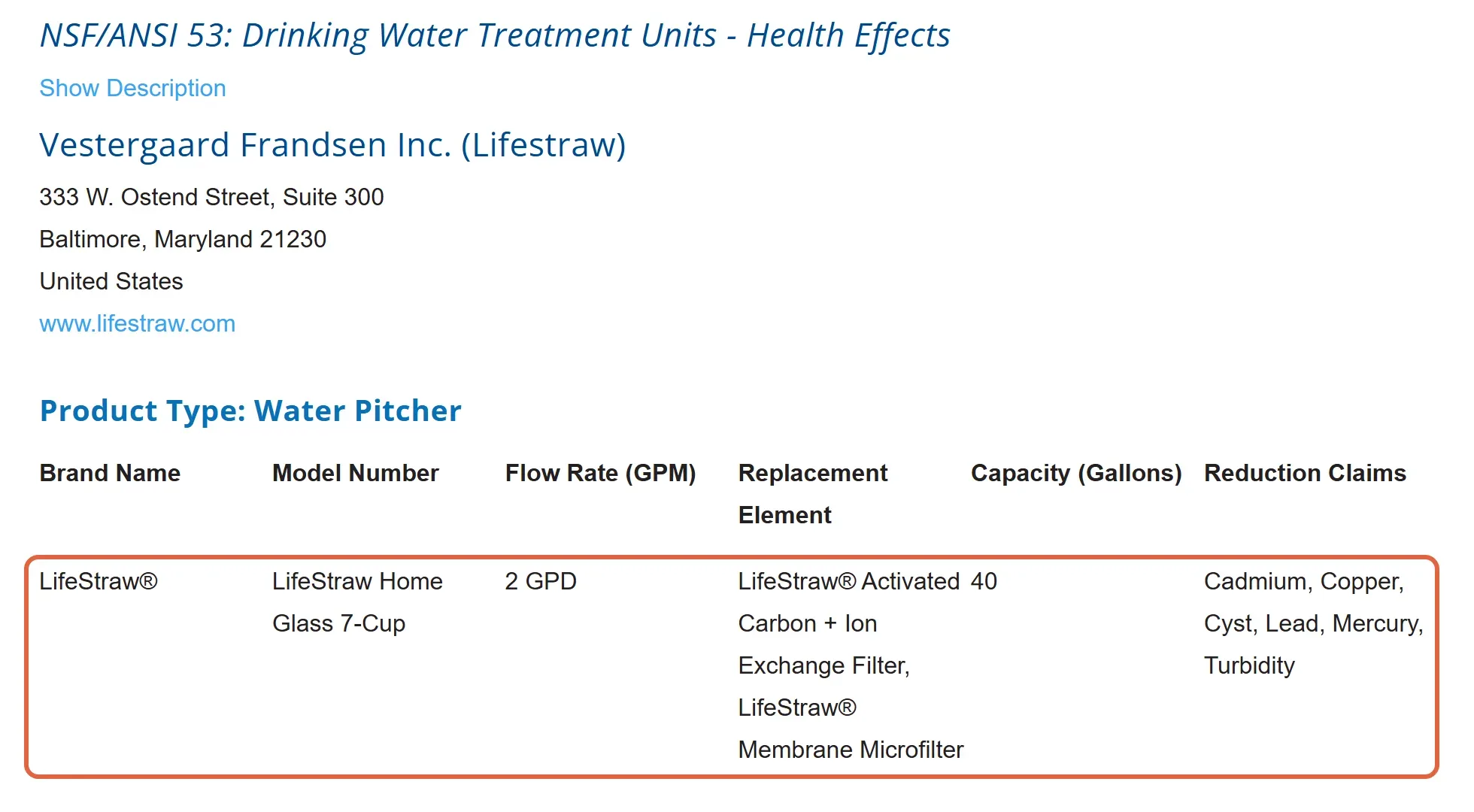
- NSF/ANSI 53, health effects: cadmium, copper, cysts, lead, mercury and turbidity, rated for 40 gallons with both filters in place.
- NSF/ANSI 401, emerging compounds: microplastics, bisphenol A, nonylphenol, estrone, linuron, and the drugs atenolol, carbamazepine, meprobamate, phenytoin and trimethoprim.
- NSF/ANSI 42, aesthetic effects: chlorine taste and odor, and nominal particulate class I.
The 40-gallon rating matches LifeStraw's figure for the carbon filter. The membrane carries LifeStraw's own figure of 264 gallons, and the listing doesn't rate it on its own. Where to look for other filters with the same claims: filters certified for lead and filters certified for microplastics.
LifeStraw claims more on its pages than the listing covers. It says the carbon filter reduces PFAS, pesticides and herbicides, and an answer on the dispenser page says LifeStraw filters are “designed and tested to meet NSF 231 and NSF 53 standards.” Testing to a standard isn't the same as a listing, and none of the three WQA listings names PFAS. LifeStraw also makes claims about bacteria and parasites. I found no certifier listing or EPA registration number behind them, so I don't repeat them here.
The contaminants or other substances removed or reduced by this water treatment device are not necessarily in your water.
Two filters: what the LifeStraw Home costs a year
Every LifeStraw Home model uses two filters, and you replace them on different schedules. Both prices are from the replacement filter page, checked October 15, 2026.
- Activated carbon and ion exchange filter: $16.95, rated by LifeStraw for 40 gallons or 2 months. LifeStraw says this is the stage that reduces lead, mercury and chlorine.
- Membrane microfilter: $24.95, rated by LifeStraw for 264 gallons or 1 year, “or sooner if water flow slows or stops.”
Six carbon filters and one membrane come to about $127 a year at single-filter prices on October 15, 2026. A 6-month pack of carbon filters is $39.95, which brings the year to about $105. LifeStraw also sells a 1-year filter pack for $75.95 and a filter subscription. How I work out yearly cost is set out in the cost method.
That is more than most pitchers here. On the same date, the Brita Denali with the Elite filter runs about $40 a year on one 6-month filter, and it's listed for lead and microplastics too. The Waterdrop ED01 countertop dispenser runs about $112.
LifeStraw's warranty covers the carbon filter for 60 days, not 3 years, so a faulty carbon filter has a short claim window. The membrane falls under the 3-year warranty.
What LifeStraw Home owners say
The 7-Cup Glass has a 4.0 average from 3,105 ratings on Amazon, read on October 15, 2026. Amazon pools the colors into one page. 62% of ratings are 5 stars and 14% are 1 star, a split that matches what the topic counts show.
Slow filtering is the top complaint. Of the 385 reviews Amazon tags for filtration speed, 314 are negative, and 115 of 150 on refill time are too. LifeStraw's own answer is 20 to 25 minutes per reservoir once the filters are broken in, slower in the first cycles. I count speed as a characteristic, not a breakdown, so it doesn't mark the pitcher for breakage. The 4.0 average keeps its reviews score in the middle.
Taste and looks get the praise. 341 of the 360 reviews on taste are positive, and 170 of 176 on appearance. Value splits: 92 of the 211 reviews on value for money are negative, which fits the yearly filter cost above.
LifeStraw Go bottle and Peak gravity bag
Most of LifeStraw's catalog is outdoor gear: straws, bottles and gravity bags. Two are in the database, and neither has a certifier listing.
The Go Series bottle, 22 oz costs $44.95 (checked Oct 14, 2026). It holds a membrane and a carbon filter, and LifeStraw rates the membrane for 1,000 gallons. On Amazon, 104 of 126 reviews that mention leaks are negative, enough to mark it for breakage in my reviews rule. Bottles with a listing are in filtered water bottles compared.
The Peak Series Gravity 8L costs $95.95 (checked Oct 14, 2026): a hanging bag with a membrane LifeStraw rates for 500 gallons, at $17.95 a replacement. It's a camp and power-outage tool, not a kitchen filter, and it makes no chlorine or lead claim. Gravity units for the counter, with listings, are in gravity water filters compared.
The outdoor products sell on claims about bacteria and parasites. As with the Home pitcher, I found no listing or EPA registration behind those claims and don't repeat them.
LifeStraw warranty and returns
LifeStraw's warranty page covers “all LifeStraw products and parts (except carbon filters)” against defects in materials and workmanship for 3 years from the date of purchase. Carbon filters have “a separate, 60-day limited warranty.”
The returns page linked from the product pages gives 45 days from delivery. Items “must be unused, in their original condition.” Orders bought with a discount or promo code, or as part of a bundle, “may not be eligible,” and products over $300 can't be returned. LifeStraw sends a free return label within the lower 48 states. Shipping is free on orders over $75 in the lower 48, as of October 15, 2026.
LifeStraw's separate refund policy page still says 30 days from purchase. I go by the returns page, which the product pages link to. If you're close to the limit, ask support before you ship.
Questions people ask
How long does the LifeStraw Home pitcher take to filter?
Does the LifeStraw Home pitcher filter PFAS?
Does LifeStraw Home filter fluoride?
How often do you change LifeStraw Home filters?
Is LifeStraw Home better than Brita?
Is the LifeStraw glass pitcher dishwasher safe?
Listing by model
NSF, WQA and IAPMO public listings, checked Oct 15, 2026. The contaminants or other substances removed or reduced by these devices are not necessarily in your water.