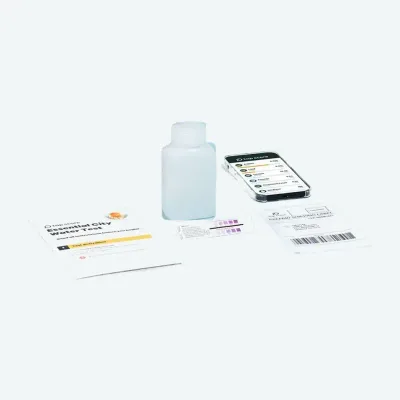
Best home water filters by type: which one fits your water
We track 137 home water filters in 10 types, priced $22.99 to $4,198. 72 of them have a certifier listing for a health claim such as lead or PFOA/PFOS: 29 of 32 under-sink filters, 12 of 20 RO systems, 3 of 12 whole-house systems, 0 of 4 well water systems, 0 of 15 shower filters, 7 of 14 pitchers, 5 of 7 countertop filters, 4 of 9 countertop RO systems, 7 of 18 gravity filters and 5 of 6 faucet filters. The rest are listed for chlorine, taste or odor only or carry brand claims we couldn't match to a listing.
The best home water filter is the one certified for what's actually in your water, so read your utility's report or test first. For lead, the cheapest certified option here is a Brita faucet filter at $32.49 (the Elite Advanced). If your faucet has a pull-out sprayer, it's a pitcher: the ZeroWater 10 Cup by Culligan at $34.99 or the Brita Denali Elite at $35.99. That ZeroWater is also the cheapest pitcher listed for PFAS. The cheapest PFAS listing of all is a faucet filter without a lead listing, the Culligan CULFMWH at $27.49. Fluoride listings are reverse osmosis units plus that one pitcher, and all but one arsenic listing is reverse osmosis too. No shower or well filter here is listed for lead or PFAS.
By Daryna Klochko · Published

Find your filter · 3 questions
What's in your water?
Where should it go?
Budget
Show 23 matching under-sink filters Categories
10 groups · 137 models · prices checked Oct 16, 2026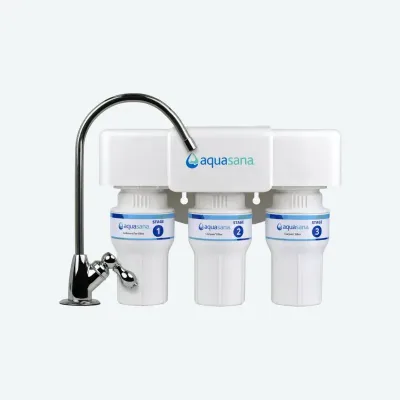 Under-sink filters32 models · from $58.99
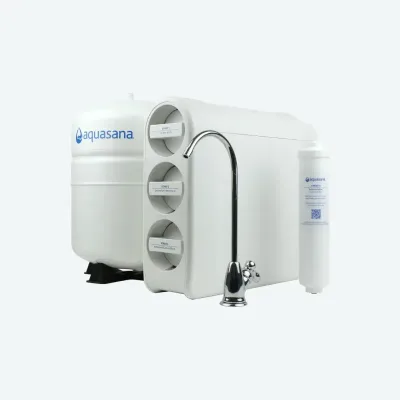 Reverse osmosis20 models · from $162.23
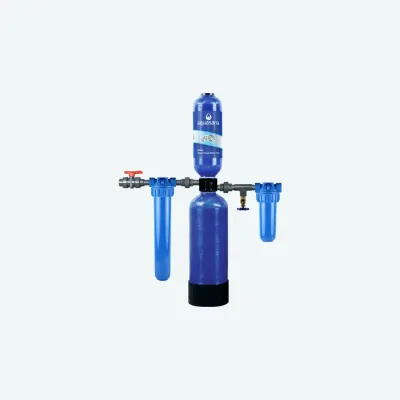 Whole-house systems12 models · from $258
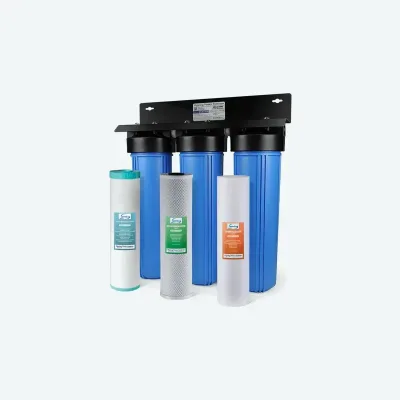 Well water systems4 models · from $535.99
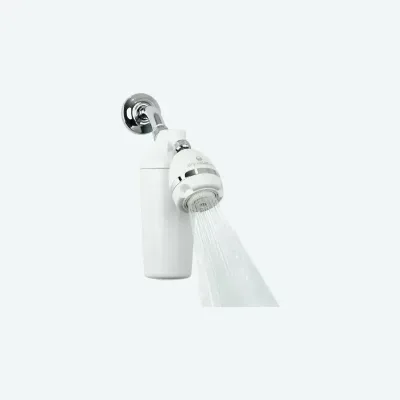 Shower filters15 models · from $29.95
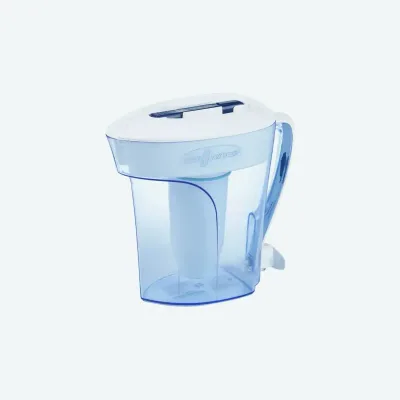 Pitchers14 models · from $22.99
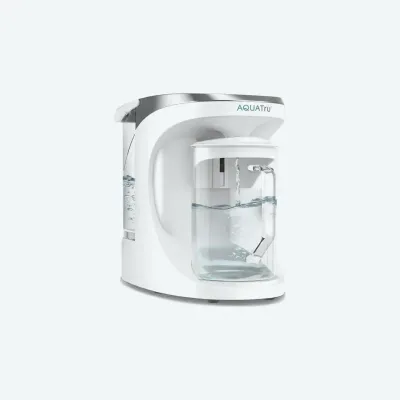 Countertop filters7 models · from $79.99
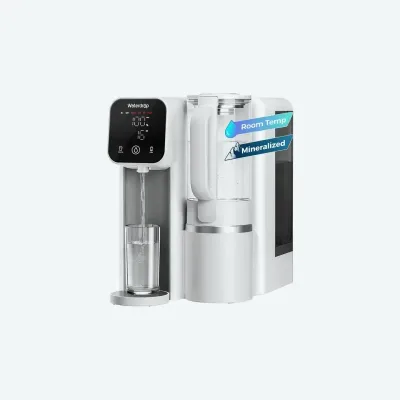 Countertop RO systems9 models · from $219
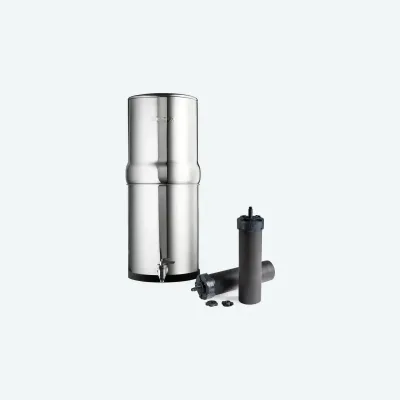 Gravity filters18 models · from $95.95
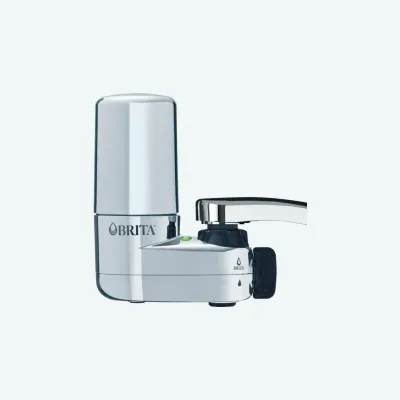 Faucet filters6 models · from $27.49
Top pick in each category
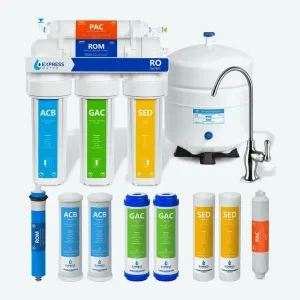
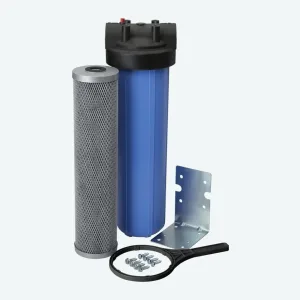
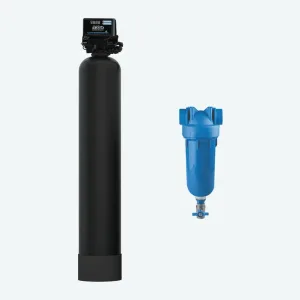
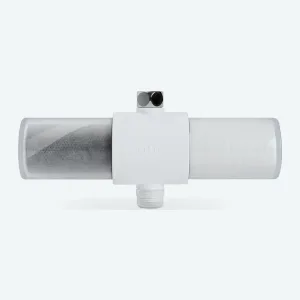
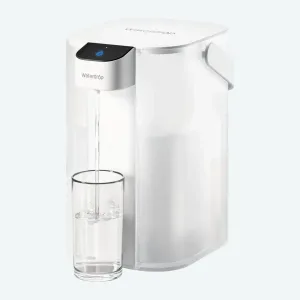
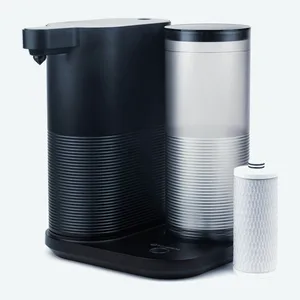
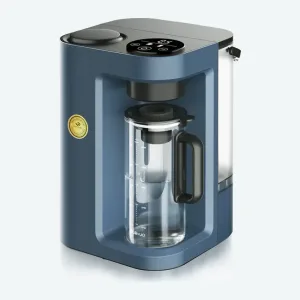
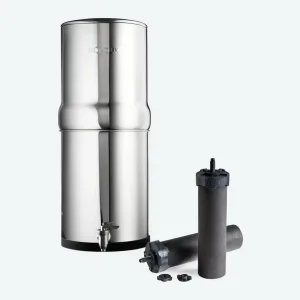
Ten types of home water filter, side by side
Every home water filter in our database falls into one of ten types. A pitcher filters a few cups at a time. A whole-house system covers every tap, shower included. The table counts only listings from an accredited certifier. A health substance here means lead, cysts, VOCs, PFOA/PFOS, microplastics, arsenic, fluoride, or the metals some pitcher listings add. Chlorine, taste, odor and TDS don't count.
| Type | Price | Filters a year | Health listing | Health substances listed | Install |
|---|---|---|---|---|---|
| Under-sink filters | $58.99 to $696.72 | $18 to $455 | 29 of 32 models | Lead, Cysts, VOCs, PFOA/PFOS, Microplastics, Asbestos, Atrazine, Benzene, Carbofuran, p-Dichlorobenzene, Lindane, Mercury, MTBE, Bisphenol A, Estrone, Ibuprofen, Naproxen, Nonylphenol, Phenytoin, Trihalomethanes (TTHM), 1,2,3-Trichloropropane | Under the sink on the cold line, most feed your own faucet |
| Reverse osmosis | $162.23 to $1,299 | $73 to $656 | 12 of 20 models | Lead, Cysts, VOCs, PFOA/PFOS, Microplastics, Arsenic, Fluoride, Hexavalent chromium, Trivalent chromium, Cadmium, Copper, Barium, Selenium, Radium 226/228, Mercury, Asbestos, MTBE, Nitrate/nitrite, Atrazine | Under the sink, needs a drain line and a faucet hole |
| Whole-house systems | $258 to $4,198 | $77 to $1,897 | 3 of 12 models | Lead, Cysts, VOCs, PFOA/PFOS | On the main water line |
| Well water systems | $535.99 to $3,498 | $0 to $614 | 0 of 4 models | None | On the main line, some need a drain or an outlet |
| Shower filters | $29.95 to $169 | $30 to $209 | 0 of 15 models | None | At the shower arm, or in place of the head |
| Pitchers | $22.99 to $168 | $40 to $260 | 7 of 14 models | Lead, Cysts, PFOA/PFOS, Microplastics, Fluoride, Mercury, Cadmium, Copper, Asbestos, Benzene, Hexavalent chromium, Nitrate/nitrite | None |
| Countertop filters | $79.99 to $475 | $68 to $216 | 5 of 7 models | Lead, Cysts, VOCs, PFOA/PFOS, Microplastics, Arsenic, Fluoride, Nitrate/nitrite, Mercury | None, most need an outlet |
| Countertop RO systems | $219 to $1,199 | $70 to $216 | 4 of 9 models | Lead, Cysts, VOCs, PFOA/PFOS, Microplastics, Arsenic, Cadmium, Trivalent chromium | None, plugs into an outlet |
| Gravity filters | $95.95 to $449 | $13 to $426 | 7 of 18 models | Lead, Cysts, VOCs, PFOA/PFOS, Microplastics, Arsenic, Cadmium, Copper, Mercury, Selenium, Hexavalent chromium, Trivalent chromium | None, no power: fill the top by hand |
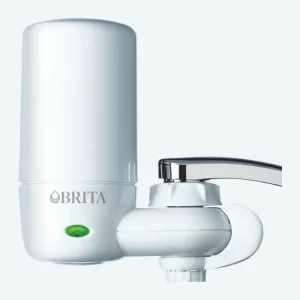
| Faucet filters | $27.49 to $40 | $30 to $54 | 5 of 6 models | Lead, VOCs, PFOA/PFOS, Microplastics, Asbestos, Mercury | Screws onto the faucet in place of the aerator |
Two patterns stand out. Health listings cluster at the kitchen tap: 69 of 106 pitchers, countertop, gravity, faucet, under-sink and RO models have one, against 3 of 31 whole-house, well and shower systems. And the cheapest type to buy isn't always the cheapest to run. Filters for the Clearly Filtered pitcher cost $260 a year, more than the cartridges of 24 of 32 under-sink filters. A higher price doesn't buy a listing either: the Aarke water filter, a glass pitcher at $140, has none, while the Brita Denali Elite at $35.99 is listed for lead.
Start with what is in your water
A filter helps only as far as its listing matches your water. On city water, your utility must send a Consumer Confidence Report every year by July 1, CDC explains. It lists what was detected and how that compares with EPA limits. EPA links to local reports, and our water quality pages pull federal data on violations, lead and measured PFAS for large US cities.
A utility report stops at the water main, and lead usually gets in after it. EPA says lead service lines are usually the biggest source, and that homes built before 1986 are more likely to have lead pipes, solder or fixtures. If that describes your house, a lead test at the kitchen tap tells you more than the city's numbers. The wider picture is in is tap water safe to drink.
On a private well, nobody tests for you. EPA counts more than 43 million people, about 15% of the population, on private wells, and the Safe Drinking Water Act doesn't cover them. Our well water testing guide covers what to test for and when.
One number to skip: total dissolved solids. A TDS meter reads dissolved minerals and salts in parts per million. It says nothing about lead or PFAS, which EPA limits in parts per billion and per trillion.
Once you know what is in your water, how to choose a water filter walks through the rest: the listing, the type and a year of filters.
What a certification covers, and what it does not
EPA does not test or approve home treatment devices, as the University of Nebraska–Lincoln extension puts it. Certification comes from third-party bodies accredited by ANSI: NSF, WQA, IAPMO, UL and CSA. Each listing names a model, a standard and every substance the model is certified to reduce. You can look one up in the NSF and WQA directories. The standards you'll see most:
- NSF/ANSI 42: chlorine, chloramine, taste and odor. Aesthetic claims only.
- NSF/ANSI 53: health effects, each substance listed on its own: lead, cysts, VOCs, PFOA/PFOS and more.
- NSF/ANSI 58: reverse osmosis systems: TDS, and separately arsenic, fluoride and others.
- NSF/ANSI 401: emerging compounds, including microplastics in the listings here.
- NSF/ANSI 177: shower filters, free chlorine only.
- NSF/ANSI 55: UV systems, in two classes covered below.
- NSF/ANSI 61 and 372: the materials a part is made of. They say nothing about what a filter reduces.
A standard isn't a certificate. A brand page can cite a standard the model isn't listed under. In our database, 81 of 137 filters claim more than their listing covers, and 45 rely on the brand's own data or have no listing I could find. On every guide and device page I show the listing and the brand's claims separately, and how we research explains how I match them. Every listing in our database, model by model, is in NSF certified water filters.
Lead and PFAS: the cheapest certified model in each type
On April 10, 2024 EPA set the first national PFAS limits: 4.0 ppt each for PFOA and PFOS, with until 2029 for public systems to comply. On May 18, 2026 EPA proposed keeping both limits and letting systems ask for two more years, to 2031. For lead, utilities must act at 15 ppb. Under the Lead and Copper Rule Improvements that level drops to 10 ppb from November 1, 2027.
Here is the cheapest model with a certifier listing for each, by type:
- Under-sink filters: Lead, the Frizzlife MK99 Under Sink Water Filter at $69.99. PFAS, the Express Water StreamLine Direct Connect USC001 at $85.99.
- Reverse osmosis: Lead, the Pentair OMNIFilter RO2050 4-Stage Reverse Osmosis at $162.23. PFAS, the Brondell Capella RC250 Reverse Osmosis at $329.99.
- Whole-house systems: Lead, the Halo Defender II Whole House System (H-DFR2) with no published price. PFAS, the Pentair FloPlus Protect 20BB Whole House PFAS System at $258.
- Well water systems: No lead listing. No PFAS listing.
- Shower filters: No lead listing. No PFAS listing.
- Pitchers: Lead, the ZeroWater 10 Cup Pitcher by Culligan at $34.99. The same model for PFAS.
- Countertop filters: Lead, the Frizzlife MD40 Electric Countertop Filter Dispenser at $79.99. PFAS, the AquaTru Carafe Countertop RO at $375.
- Countertop RO systems: Lead, the Bluevua ROPOT-Lite at $299. PFAS, the Coway Modern Countertop RO (P-300L) at $1,099.
- Gravity filters: Lead, the Culligan MaxClear Scout 2.25-Gallon at $175. The same model for PFAS.
- Faucet filters: Lead, the Brita Elite Advanced Faucet System at $32.49. PFAS, the Culligan Faucet Mount Filter CULFMWH at $27.49.
Three cautions. The cheapest PFAS listing, the Culligan CULFMWH faucet filter, covers PFOA and PFOS but not lead. The ZeroWater 10 Cup by Culligan covers both in a pitcher, but its IAPMO listing rates a filter for just 20 gallons. And the substances a filter is certified to reduce are not necessarily in your water. A lead listing says nothing about PFAS, or the other way round.
Fluoride, arsenic and TDS: reverse osmosis, with two exceptions
All but one of the 13 fluoride listings in our database, and 14 of the 15 for arsenic, belong to systems certified to NSF/ANSI 58, the reverse osmosis standard: Pentair OMNIFilter RO2050 4-Stage Reverse Osmosis, APEC Water RO-90 Ultimate 5-Stage Reverse Osmosis, Brondell Capella RC250 Reverse Osmosis, AquaTru Carafe Countertop RO, AquaTru Under Sink Reverse Osmosis, Brondell Circle RC100 Reverse Osmosis, Aquasana SmartFlow Reverse Osmosis, AquaTru Classic Countertop RO, Kohler Aquifer RO (K-22155), Pentair FreshPoint GRO-575 5-Stage Reverse Osmosis, Waterdrop G3P800 Reverse Osmosis System, Coway All-In-One Under Sink RO (P-160AL), Coway Modern Countertop RO (P-300L), Coway Under Sink RO (P-09CL) and Coway Prime Countertop RO (P-6320L). There are two exceptions. The ZeroWater 10 Cup by Culligan is a pitcher listed by IAPMO under NSF/ANSI 53 for fluoride, with a filter rated for 20 gallons. The 4Patriots Patriot Pure Ultimate is a gravity filter listed under NSF/ANSI 53 for pentavalent arsenic only. NSF notes it is meant only for water at or below the arsenic level named in its listing. No carbon under-sink filter or whole-house system here is listed for either. If you want less fluoride, the choice narrows to reverse osmosis or that one pitcher, and every model with a fluoride listing is compared in fluoride water filters.
Reverse osmosis has costs a carbon filter doesn't. EPA says a typical under-sink RO system sends five gallons or more to the drain for each gallon of treated water. The membrane also lowers minerals along with everything else, which is why some systems add a remineralization stage. How the membrane works is in our reverse osmosis explainer, and whether low-mineral water matters is in is reverse osmosis water good for you.
Five RO models are listed for TDS only: the Waterdrop X12, Express Water RO5DX and A. O. Smith AOS-DFRO800 under the sink, and the Waterdrop K19 and M6SL on the counter. That listing confirms the membrane lowers dissolved solids. It isn't a listing for lead, PFAS or fluoride, whatever the brand page says. My Express Water review sets the RO5DX listing against the brand's own claims.
Whole-house, well and shower filters
A whole-house system covers every tap, so it's the type to look at when chlorine taste or smell bothers you in the shower as much as in a glass. Its listings rarely cover lead or PFAS. Of the 12 whole-house systems here, three have a health listing. The Aquasana HealthShield is listed for VOCs and PFOA, PFOS and 3 more PFAS, and its filters cost $1,897 a year, the most of any filter in our database. The Pentair FloPlus Protect 20BB is listed for PFOA, PFOS and 3 more PFAS, with one cartridge at about $187 a year. The Halo Defender II, the only whole-house system here with a lead listing, is listed by IAPMO for lead, cysts and PFOA/PFOS; Halo sells it through installers and publishes no price for the system or its cartridge, as our Halo review explains. WQA lists the Aquasana Rhino's tanks under NSF/ANSI 61 and 372, which cover materials, not reduction. I found no listing for SpringWell. System price, parts and totals over the years are in the whole-house filter cost calculator, and picking an installer is in how to choose a water filter company. Hard water? Compare water softeners and filter combos.
Well systems are built for iron, manganese, sulfur and sediment, and none of the 4 here is listed for a substance it reduces. The Aquasana Rhino Well with UV is certified to NSF/ANSI 55 Class B. That class is supplemental treatment for water already considered microbiologically safe. Class A is the one meant for water that may be contaminated. Test the well before you choose, and again after installation. Sand and grit are a separate job for sediment filters, which go first on the main line.
Shower filters have one standard, NSF/ANSI 177, and it covers free chlorine only. Six of the 15 shower filters here are listed to it, and none is listed for chloramine, lead or PFAS.
Ten-year cost: the price plus the filters
For most filters the sticker price is the smaller number. Add ten years of replacement filters on each brand's schedule, at today's prices, and the order changes:
- Under-sink filters: $256.99 (Waterdrop 15UA Under Sink Filter) to $5,100 (Clearly Filtered 3-Stage Under the Sink System)
- Reverse osmosis: $942.23 (Pentair OMNIFilter RO2050 4-Stage Reverse Osmosis) to $7,208.75 (Kohler Aquifer RO (K-22155))
- Whole-house systems: $1,930.25 (SpringWell Whole House Water Filter System (CF)) to $23,168 (Aquasana HealthShield Whole Home Filter)
- Well water systems: $2,365.50 (SpringWell Whole House Well Water Filter System (WS1)) to $9,638 (Aquasana Rhino Well Water with UV)
- Shower filters: $339.95 (Sprite High Output 2 (HO2)) to $2,223.32 (Hydroviv In-Line Shower Filter 2.0)
- Pitchers: $435.99 (Brita Denali Pitcher with Elite Filter) to $2,710 (Clearly Filtered Water Pitcher)
- Countertop filters: $759.99 (Frizzlife MD40 Electric Countertop Filter Dispenser) to $2,259 (Epic Water Filters Pure XP Dispenser)
- Countertop RO systems: $1,029 (Waterdrop M6SL Mineral Countertop RO) to $3,259 (Coway Modern Countertop RO (P-300L))
- Gravity filters: $225.95 (LifeStraw Peak Series Gravity 8L) to $4,443.96 (ProOne Big+ 3-Gallon)
- Faucet filters: $335.99 (iSpring DF2-CHR Faucet Water Filter) to $572.49 (Brita Elite Faucet System)
The LifeStraw Peak Series Gravity 8L, a hanging camp bag, has the lowest ten-year total in the database, $225.95, and I found no listing for it. Among listed filters the Waterdrop 15UA is lowest at $256.99, but its listing covers chlorine only. The lowest with a health listing is the Culligan Faucet Mount Filter CULFMWH at $427.49, and the HealthShield tops the list at $23,168. Both ZeroWater pitchers are left out, since their filter life depends on your TDS. SpringWell's well system has no cartridges, so its total is the price. These sums leave out installation, electricity, water sent to the drain and price changes. For whole-house systems, the cost calculator adds your household's numbers. The schedule behind each filter count, type by type, is in how often to change water filters.
Guides
What is reverse osmosis, and how does it work?GUIDEIs reverse osmosis water good for you?GUIDEHow to install a reverse osmosis systemGUIDEIs tap water safe to drink?GUIDEWater quality by ZIP and cityDATAFilters certified for microplastics: every NSF/ANSI 401 listingDATALead-certified filters, by type and priceDATAHard water: filters and softeners with their hardness limitsBEST-OFRV water filters: hose filters for the roadBEST-OFFiltered water bottles: listings and filter costBEST-OFWell water: what to test, and whenGUIDEWhole house water filter cost calculatorCALCULATORReverse osmosis system cost calculatorCALCULATORHow to choose a water filter companyGUIDEBest water test kits: lab tests and stripsBEST-OFHow we research filtersMETHOD
Questions
What is the best water filter for home use?
The one certified for what's in your water, at the taps where you need it. For most kitchens my under-sink pick is the Epic Smart Shield at $129, certified for lead, cysts and VOCs. For fluoride or arsenic, start with the AquaTru Under Sink reverse osmosis system at $395. Renting or on a budget, the Brita Denali Elite pitcher at $35.99 is certified for lead, microplastics, asbestos, benzene, cadmium and mercury.
Do water filters reduce PFAS?
Some are certified to. 39 of the 137 filters here have a PFAS listing, for PFOA/PFOS or for total PFAS, from the Culligan Faucet Mount Filter CULFMWH at $27.49 to the Aquasana HealthShield Whole Home Filter at $4,198. Look for PFOA/PFOS or total PFAS in the listing itself, not just “PFAS” on the box. No shower or well filter here has one, and PFAS are not necessarily in your water, so check your report first.
Are whole house water filters worth it?
For chlorine taste and smell at every tap, they can be. For lead or PFAS in drinking water, a certified filter at the kitchen tap is the cheaper way to cover both. Three of the 12 whole-house systems here have a health listing, all for PFAS. Filters for the FloPlus Protect and the HealthShield run $187 and $1,897 a year, and the Halo Defender II, the only one also listed for lead, has no published price. The Aquasana Claryum Direct Connect, an under-sink filter listed for both lead and PFOA/PFOS, costs $249.99, plus $184 a year in cartridges.
How long do water filters last?
Until the gallons or the months on the brand's rating run out, whichever comes first. The Brita Denali Standard filter is rated for 40 gallons or about 2 months, the Waterdrop 15UA under-sink cartridge for 19,000 gallons or 24 months and Aquasana Rhino whole-house media for 1,000,000 gallons or 10 years (brand figure).
How do I know what is in my tap water?
On city water, read your utility's Consumer Confidence Report, due every year by July 1 (EPA links to local reports). Lead from your own pipes won't show up there, and private wells aren't covered at all, so test at the tap. Our water test kit guide compares lab kits and strips for city and well water.