9.25/10
SpringWell
Whole House Well Water Filter System (WS1)
$2,365.50springwellwater.com
No listing found 12 gpm$0/yr cartridgesLifetime warranty
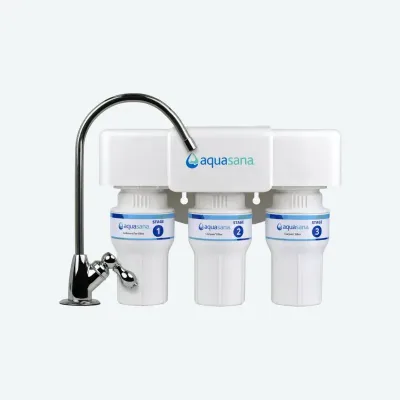 Under-sink filters32 models · from $58.9929 certified for health claims
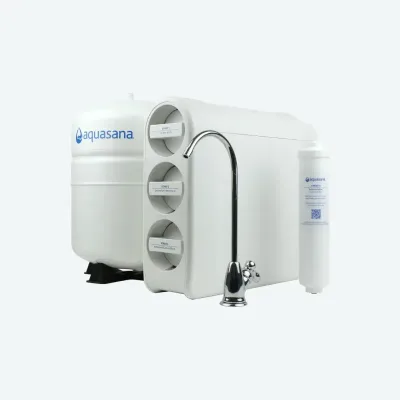 Reverse osmosis20 models · from $162.2312 certified for health claims
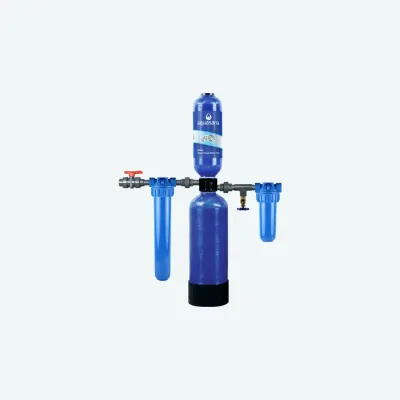 Whole-house systems12 models · from $2583 certified for health claims
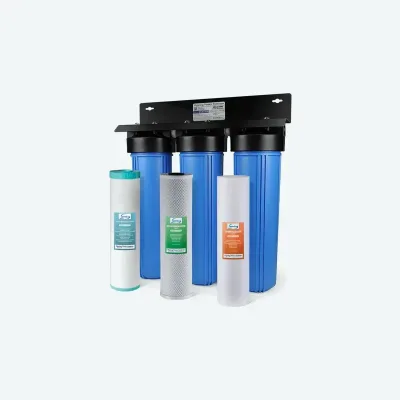 Well water systems4 models · from $535.990 certified for health claims
 Shower filters15 models · from $29.950 certified for health claims
 Pitchers14 models · from $22.997 certified for health claims
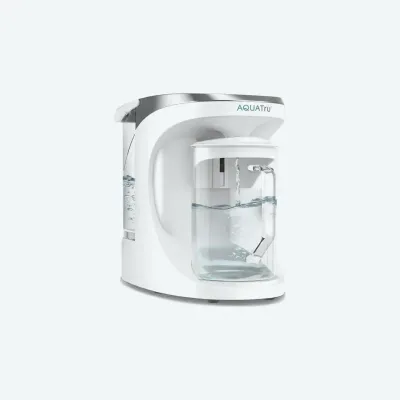 Countertop filters7 models · from $79.995 certified for health claims
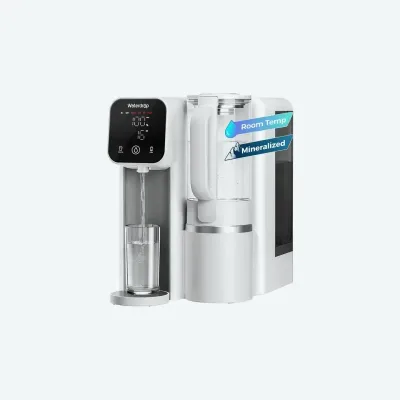 Countertop RO systems9 models · from $2194 certified for health claims
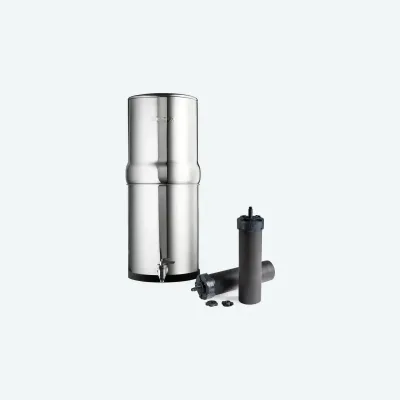 Gravity filters18 models · from $95.957 certified for health claims
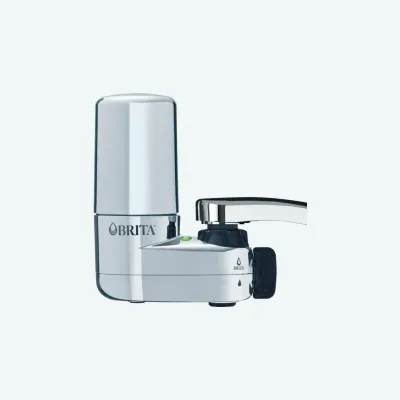 Faucet filters6 models · from $27.495 certified for health claims All water filtersBrowse 137 →
4 well water filter systems compared on listings, flow, cost per year and warranty. Our top pick is the SpringWell Whole House Well Water Filter System (WS1). Read the full summary ↓
 By Daryna Klochko · Published · Prices checked Oct 13 to Oct 14, 2026
| Model | Certification | Price | Certified to reduce | Flow | Cartridge life | Cost per year | Install | Warranty | Returns |
|---|---|---|---|---|---|---|---|---|---|
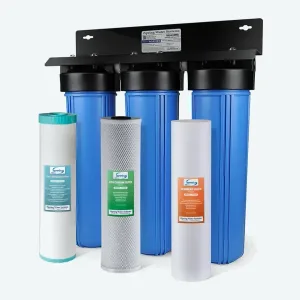
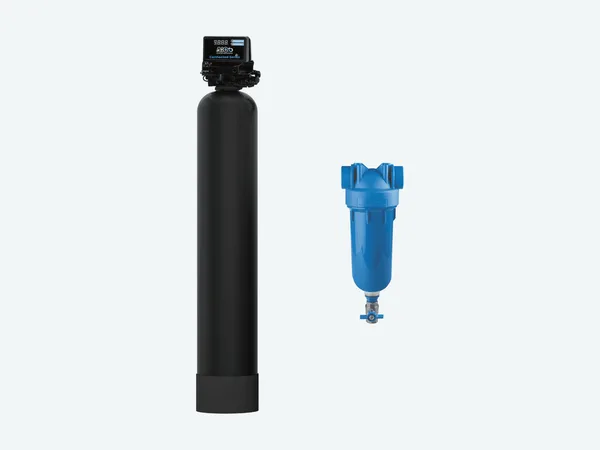
| SpringWell Whole House Well Water Filter System (WS1) | No listing found | $2,365.50 | Not stated | 12 gpm | Not stated | $0 | Main line, plumber | Limited lifetime | 180 days |
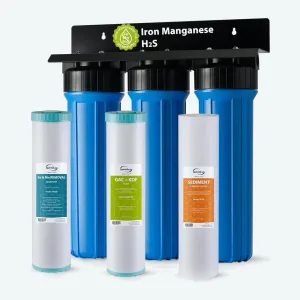
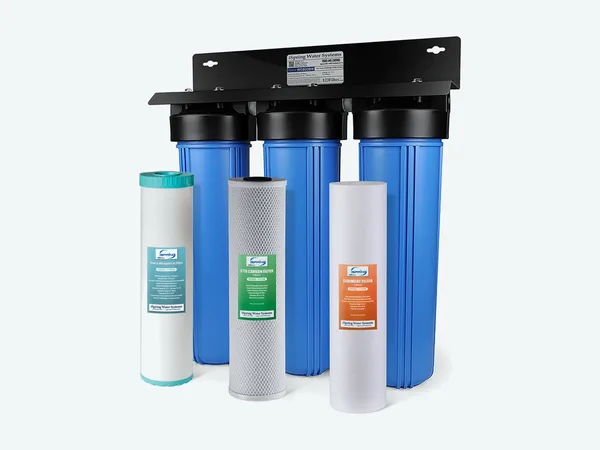
| iSpring WGB32BM 3-Stage Whole House Filter | No listing found | $535.99 | Brand claims only | 15 gpm | 50,000 gal claimed | $320 | Main line, plumber | 1 year | 30 days |
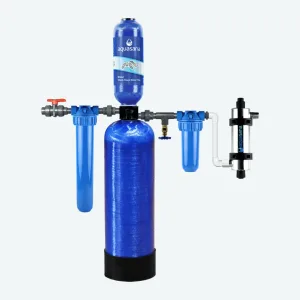
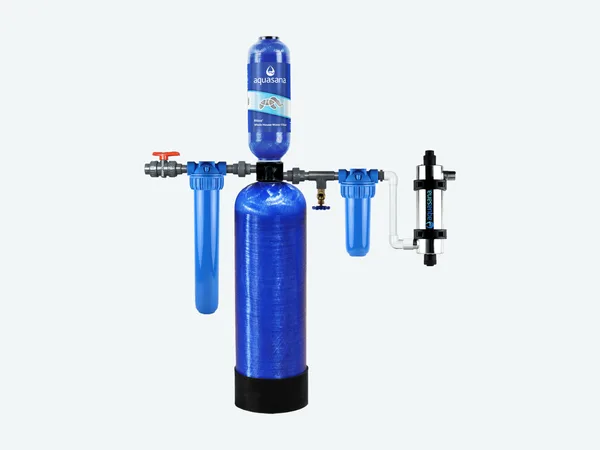
| Aquasana Rhino Well Water with UV | UV stage certified 55 Class B | $3,498 | Not stated | 6 gpm | 500,000 gal claimed | $614 | Main line, plumber | 5 years | 90 days |
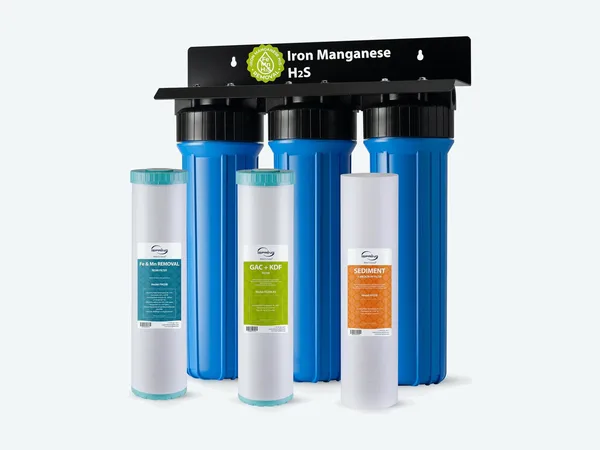
| iSpring WGB32B-MKS 3-Stage Whole House Filter | No listing found | $608.99 | Brand claims only | 15 gpm | 50,000 gal claimed | $420 | Main line, plumber | 1 year | 30 days |
We track 4 well water systems. SpringWell Whole House Well Water Filter System (WS1) has the highest score, 9.25/10. None of the 4 has a certifier listing for a health claim. 1 of 4 is listed for UV treatment only (NSF/ANSI 55). The rest carry brand claims we couldn't match to a listing. Prices run $535.99 to $3,498, checked Oct 13 to Oct 14, 2026.
Test the well first, then match the system to the numbers. For iron above 3 ppm or a strong rotten-egg smell, the SpringWell WS1 at $2,365.50 uses one air-injection tank and no cartridges. SpringWell rates it for up to 7 ppm iron and 8 ppm hydrogen sulfide. For iron under 3 ppm, the iSpring WGB32BM at $535.99 is the cheapest here, about $320 a year in cartridges, and the WGB32B-MKS adds a stage for sulfur smell. For UV on a low-iron well, the Aquasana Rhino Well with UV at $3,498 is the only one with a certifier listing. Brand prices as of October 13 to October 14, 2026.
A well system goes on the main line where water enters the house, so every tap and shower gets treated water. Four systems from three brands. They split by what your well test shows: how much iron and manganese, whether it smells of sulfur, and whether bacteria are a concern. Prices are the brands' own, as of October 13 to October 14, 2026.
Neither iSpring system is listed by NSF, WQA or IAPMO either. Every iron, manganese and sulfur figure on this page is the brand's own.
No agency tests a private well for you. CDC says EPA's rules for public water “do not apply to privately owned wells,” and advises testing at least once every year for total coliform bacteria, nitrates, total dissolved solids and pH, at a state-certified lab.
The annual test does not cover what decides the system. EPA lists what to add by symptom: iron, copper and manganese for stained fixtures or laundry, hydrogen sulfide, corrosion and metals for an objectionable taste or smell, and nitrate, nitrite, pesticides and coliform near intensive farming. Iron, manganese, hydrogen sulfide and pH set which system fits, and SpringWell requires a well test with the WS1 order. A lab water test gives you all of these in one report. Sampling, timing and reading the result are in our guide to well water testing.
EPA treats iron and manganese as nuisance contaminants: its secondary standards list them under color, staining, taste and scale, not health. Aquasana's own guidance for its UV unit puts the line at 0.3 ppm iron and 0.05 ppm manganese.
The two designs here work differently:
The brand limits give a rough split: iron under 3 ppm fits either design, 3 to 7 ppm only the SpringWell, and above 7 ppm or more than 1 ppm manganese, none of these four by their makers' figures. For those, a WQA-certified water treatment specialist can size a system on site.
CDC says a high total coliform count means harmful germs are likely in the water too. EPA advises re-testing to confirm a result first, and says high bacteria can sometimes be controlled by adding disinfection to a well: chlorine, ozone or ultraviolet light.
The Aquasana is the only system here with UV. Aquasana's page says it “protects from bacteria, viruses,” but its listing is NSF/ANSI 55 Class B. WC&P explains the two classes: Class A is meant to inactivate bacteria, viruses and cysts in water that may be contaminated. Class B is supplemental treatment for water “considered to be microbiologically safe and of known quality,” and is not meant for water that is not. So the Aquasana fits a well that tests clean for coliform. For a positive test, look for a Class A listing after the well itself is checked. I compare Class A and Class B units in best UV water filters.
UV also needs clear water. Aquasana recommends less than 0.3 ppm iron, 0.05 ppm manganese and 7 grains of hardness going in. On an iron well, the iron system goes first and the UV after it. SpringWell's spec sheet says not to use the WS “where water is microbiologically unsafe,” and iSpring makes no bacteria claim for either system. If a test shows more hardness than that, water softeners are compared on their own page.
Up front, the four run from $535.99 to $3,498, as of October 13 to October 14, 2026. The yearly cost changes the order:
At October 13 to October 14, 2026 prices, the SpringWell costs about $1,830 more than the WGB32BM up front and saves about $320 a year in cartridges, so the gap closes in roughly 6 years. Installation is not in any of these prices.
A whole-house system is the right tool for what you meet in the shower and the laundry: iron, manganese, sulfur smell and bacteria. The University of Nebraska–Lincoln NebGuide G1488 says those usually call for treating all the water coming into the house, while nitrate is only a concern if you drink it, so a single-tap system can be enough.
None of these four is certified for nitrate or arsenic. If your test shows either, a reverse osmosis system under the kitchen sink is the usual answer.
City water is treated and tested by the utility, and the usual complaint is the chlorine or chloramine it adds. Well water carries what the ground gives it, which is why this page sorts by iron, sulfur and bacteria. On city water, see whole house water filters instead.
The one that matches your test. For iron above 3 ppm or a strong sulfur smell, the SpringWell WS1 (brand limits 7 ppm iron, 8 ppm hydrogen sulfide). For iron under 3 ppm, the iSpring WGB32BM, or the WGB32B-MKS if the water smells. For UV on a well that tests clean for coliform and low in iron, the Aquasana Rhino Well with UV.
EPA links stained plumbing fixtures and laundry to iron, copper and manganese, and an objectionable taste or smell to hydrogen sulfide, corrosion and metals. A lab test gives the numbers you need to pick a system.
If a test shows coliform bacteria, you need to deal with the well first, and a UV unit for that case should carry an NSF/ANSI 55 Class A listing. A Class B unit, like the one in the Aquasana system, is for water that already tests acceptable and adds a step against nuisance bacteria. UV also needs low iron and manganese going in.
By the brands' own figures: up to 3 ppm for the iSpring cartridge systems, up to 7 ppm for the SpringWell air-injection tank. Aquasana gives no iron figure for its well system and recommends under 0.3 ppm for its UV unit. None of these limits is in a certifier listing.
The iSpring cartridges every 6 to 12 months. The Aquasana pre-filters every 2 months, the UV lamp yearly and the tanks every 5 years or 500,000 gallons. The SpringWell WS has no cartridges, and SpringWell says the media lasts 10+ years.
Every system gets 1.5 to 2 points on each of 5 criteria: Certification, published specs, cost of ownership, warranty and returns and owner reviews. The score out of 10 is the sum, from 7.5 to 10. Owner reviews not summarized yet, so every model gets 1.75 of 2 points there for now. Prices were checked Oct 13 to Oct 14, 2026. Read the full method.