Brita water filter review: what each filter is certified for
5 filters: 2 pitchers, 2 faucet filters and 1 bottle, $22.99 to $35.99. Every Brita water filter I checked is certified for chlorine taste and odor, but only some are certified for lead. As of October 14, 2026, WQA and IAPMO list the Elite pitcher filter, the faucet systems and the Hub countertop dispenser to NSF/ANSI 53 for lead. The cheaper Standard filter isn't listed for lead: its NSF/ANSI 53 listing covers cadmium, copper and mercury. No Brita pitcher, faucet system or bottle is listed for PFAS, fluoride or cysts.
 By Daryna Klochko · Published · Prices and listings checked Oct 14, 2026
All 5 Brita filters
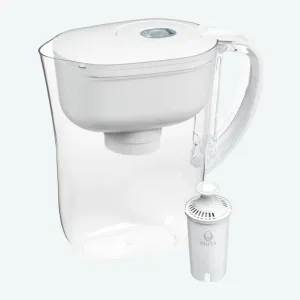
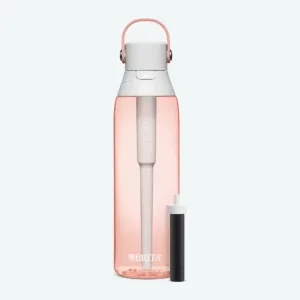
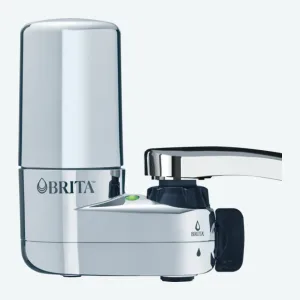
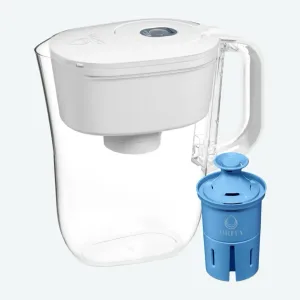
Listing: "certified" counts only substances in the certifier's public listing for that model. Brand claims are not counted.
Verdict: which Brita filter to buy and what to skip
The Denali pitcher with the Elite filter costs $35.99 (checked Oct 13, 2026) and is listed by WQA and IAPMO for lead, mercury, asbestos, benzene and microplastics. Its filter lasts 120 gallons, about 6 months, so filters run about $40 a year at brand prices. Against other pitchers: Brita vs ZeroWater pitchers and Brita vs Waterdrop pitchers.
The Denali with the Standard filter costs $22.99 (checked Oct 13, 2026). It's listed for chlorine, zinc, cadmium, copper and mercury, but not for lead. The filter lasts 40 gallons, about 2 months.
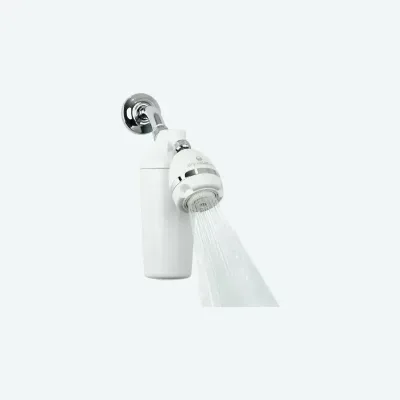
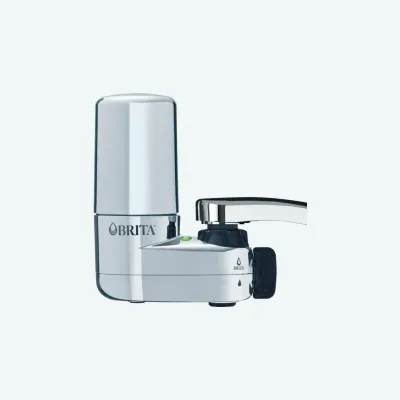
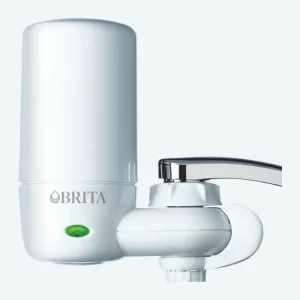
WQA lists both Brita faucet systems for lead, asbestos and VOCs as a class. The pitcher filter listings name VOCs one by one. Each system costs $32.49 on brita.com (checked October 14, 2026). How the Elite Advanced stacks up against PUR's faucet mount on filter cost, warranty and leaks is in Brita vs PUR, and against Culligan's faucet filters in Brita vs Culligan.
Its listing is NSF/ANSI 42 only: chlorine taste and odor and particulates.
I found no Brita pitcher, faucet system or bottle listed for them on October 14, 2026. The alternatives below are.
Alternatives worth considering
Brita's pitcher filters stop at lead, a few metals, named organic chemicals and microplastics. If your water report shows PFAS, fluoride or something the Elite isn't listed for, these models in our database are certified for it.
Listings checked October 13, 2026 on IAPMO and WQA
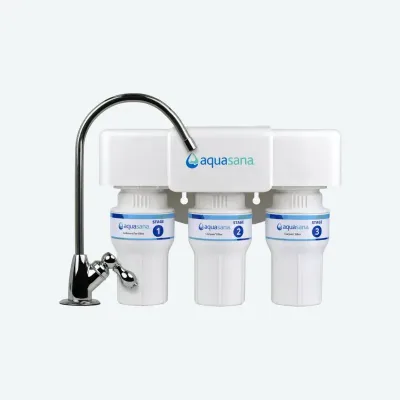
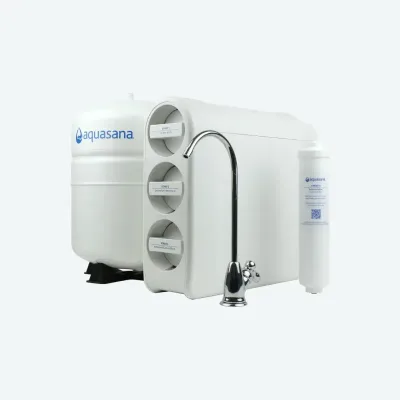
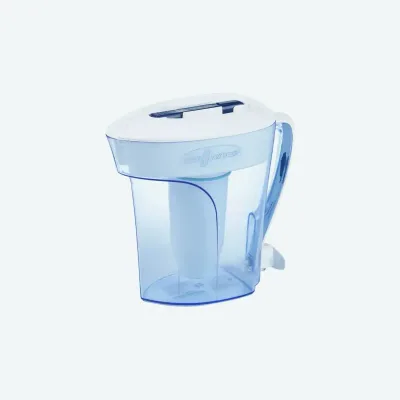
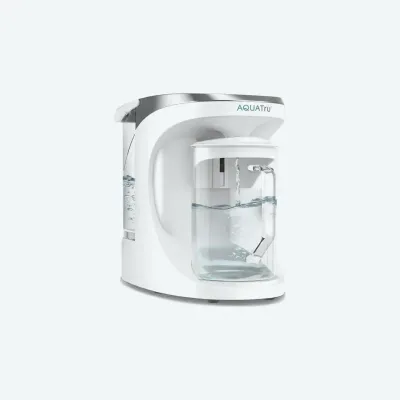
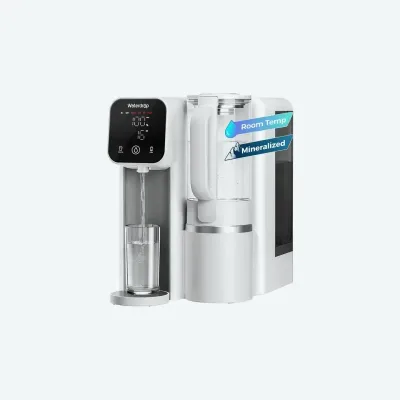
The ZeroWater 10 Cup is the pitcher swap for PFOA/PFOS at $37.99, but its filter is rated for far fewer gallons than the Elite. Its listings and the newer Culligan version are in my ZeroWater review. The Waterdrop ED01 is a countertop dispenser, like Brita's UltraMax, with an electric pump, at $49.99. The Aquasana Clean Water Machine ($399.99) and the AquaTru Carafe ($375) cost ten times as much and need counter space. AquaTru is reverse osmosis, the only type here listed for fluoride. Prices were checked October 13, 2026.
To compare pitchers from every brand, see the best water filter pitchers. Countertop units are ranked in countertop water filters, and fluoride options in reverse osmosis systems.
Brita lineup: pitchers, dispensers, faucet, Hub and bottles
I went through Brita's US store on October 14, 2026. Brita's pitchers and the UltraMax dispenser use the same Elite or Standard filters, so the filter matters more than the pitcher shape. Here are the main products and what they're listed for.
The Hub is an electric countertop unit that fills a glass from a reservoir. Brita says it “only dispenses room temperature water,” and a filter life light counts down the 120 gallons. It's the only Brita product here also listed for chloramine, the disinfectant some cities use instead of chlorine.
As of October 14, 2026, Brita also sells stainless steel bottles ($32.99 for 20 oz, $39.99 for 32 oz) and a Refillable system, where you refill a reusable filter shell instead of throwing out the whole filter ($43.89 with a Tahoe pitcher). Brita rates the Refillable filter at 40 gallons, the same as the Standard.
A Brita Hub costs more than five Denali pitchers. Its listing adds chloramine and VOCs as a class, but under NSF/ANSI 53 it names fewer substances than the Elite pitcher filter: lead and mercury against 13. To compare Brita with other filter types, start with all water filters by type.
Brita Elite vs Standard filter
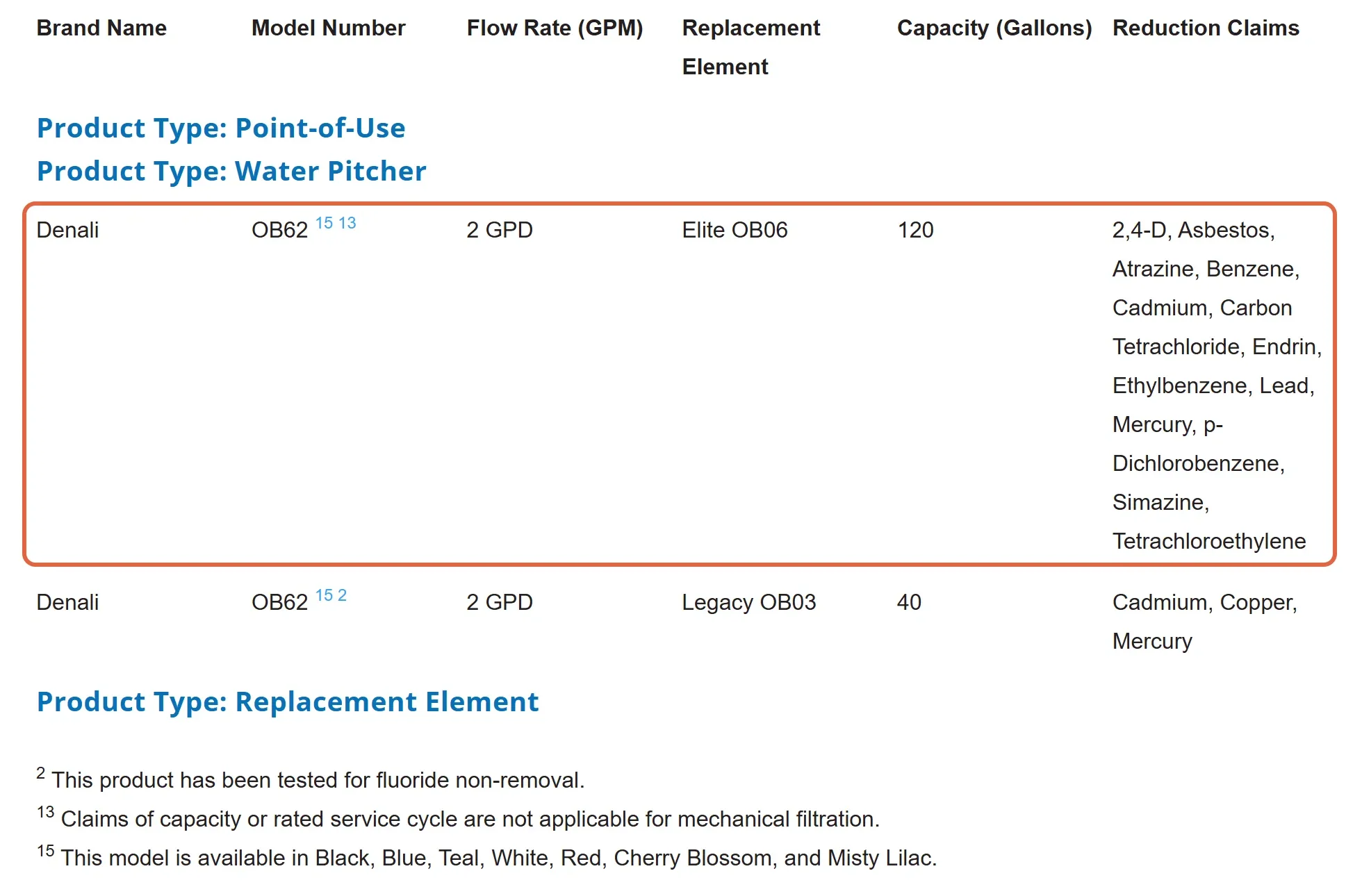
The Elite (blue) and the Standard (white, also sold as the Original) fit the same Brita pitchers and dispensers, but they're certified for different things. WQA lists both under the Denali pitcher, model OB62, and I read both listings on October 14, 2026.
- Elite filter, OB06. NSF/ANSI 53 for lead, mercury, cadmium, asbestos, benzene, atrazine, simazine, 2,4-D, endrin, carbon tetrachloride, ethylbenzene, p-dichlorobenzene and tetrachloroethylene. NSF/ANSI 401 for microplastics, BPA, ibuprofen and 13 more. NSF/ANSI 42 for chlorine taste and odor.
- Standard filter, OB03. NSF/ANSI 53 for cadmium, copper and mercury. NSF/ANSI 42 for chlorine taste and odor and zinc. No lead, no microplastics.
The Elite costs more per filter and less per gallon. One Elite at $19.99 replaces three Standards at $7.99, so it's cheaper over a year at single-filter prices: about $40 against $48. The six-pack of Standards at $29.99 brings the Standard down to about $30 a year, which beats the Elite two-pack ($32.99, about $33 a year). Prices are brand prices from October 14, 2026.
Brita's performance data page shows a third pitcher filter, BritaPlus, with a 40-gallon life, and notes “BritaPlus™ available only on Amazon.” WQA lists it for benzene, toluene, ethylbenzene, tetrachloroethylene, 1,2,4-trichlorobenzene, cadmium, copper and mercury, but not lead. The contaminants or other substances removed or reduced by this water treatment device are not necessarily in your water.
Is Brita NSF certified? The listings by product
Most Brita certifications come from WQA and IAPMO, not NSF. Both run accredited programs to the same NSF/ANSI standards, so a WQA or IAPMO listing counts the same. I searched all three certifiers' Brita listings on October 14, 2026 and found 488 rows. These are the ones that matter for a Brita you can buy at a store.
- WQA, NSF/ANSI 53: the Elite, Standard and BritaPlus filters across about 25 pitcher and dispenser names. Also the faucet systems FF-100 and SAFF-100, for lead, asbestos, chlordane, toxaphene and VOCs (as chloroform), and the Hub, for lead and mercury.
- WQA, NSF/ANSI 401: microplastics and other emerging compounds for the Elite pitchers, the faucet systems and the Hub. Other brands listed for microplastics are in filters for microplastics.
- WQA, NSF/ANSI 42: chlorine taste and odor for every pitcher, faucet system, Hub and bottle. The bottles stop here.
- IAPMO, NSF/ANSI 53: the Elite filter for lead in 11 pitchers and dispensers, Denali, Tahoe and UltraMax included, and the Hub filter for VOCs.
- NSF, NSF/ANSI 53: the Pacifica and Tidal pitchers with the Elite filter.
Brita's lead listing applies to the Elite filter only. A Tahoe or UltraMax sold with a Standard filter is listed for chlorine taste and three metals, even though the pitcher is the same. The contaminants or other substances removed or reduced by this water treatment device are not necessarily in your water.
The under-sink system and Brita Pro
IAPMO also lists a Brita under-sink system, BUSS01, to NSF/ANSI 53 for lead, mercury, asbestos, VOCs and PFOA/PFOS. Among the listings held by Brita LP itself, it's the only one with PFOA/PFOS. It wasn't in the brita.com store or sitemap on October 14, 2026, though Brita's warranty covers under-sink systems. Whole-house and reverse osmosis systems sold as Brita Pro are listed under a separate company, Protect Plus Pro. IAPMO lists one of them, the BP150NJ whole-house system, for total PFAS. They're sold through britapro.com dealers.
How often to replace a Brita filter
Brita rates each filter in gallons and converts that to months. Its FAQ says the time estimates “are based on 11 glasses per day for an average household.” A larger household gets through a filter sooner.
| Filter | Rated life | Price | Cost per year |
|---|---|---|---|
| Elite (pitchers, UltraMax) | 120 gallons, about 6 months | $19.99, or 2 for $32.99 | About $33 to $40 |
| Standard (pitchers, UltraMax) | 40 gallons, about 2 months | $7.99, or 6 for $29.99 | About $30 to $48 |
| Faucet filter (FF-100, SAFF-100) | 100 gallons, about 4 months | $17.99, or 2 for $29.99 | About $45 to $54 |
| Hub filter | 120 gallons, about 6 months | $29.99 | About $60 |
| Bottle filter | 40 gallons, about 2 months | 3 for $14.99 | About $30 |
Hard water shortens that. Brita's FAQ says that “if you have hard water, you may need to change filters more often.” The pitchers have a sticker or a SmartLight indicator, the Advanced faucet system an electronic indicator that resets when you put in a new filter, and the Hub a filter life light.
If a pitcher filters slowly, Brita's FAQ suggests not opening the faucet fully when you fill the reservoir and not running water straight onto the top of the filter.
Does Brita filter fluoride, PFAS or bacteria?
Fluoride: Brita says its filters keep it. Its FAQ says that “for fluoridated municipal tap water, Brita™ filters keep a healthy level of fluoride.” None of the Brita listings I read names fluoride, and WQA's row for the Denali with the Standard filter carries the footnote “This product has been tested for fluoride non-removal.” Among the products we track, fluoride reduction is certified mostly under NSF/ANSI 58, the reverse osmosis standard, and for one pitcher, the ZeroWater 10 Cup by Culligan, under NSF/ANSI 53.
PFAS: not in any pitcher, faucet system or bottle. On October 14, 2026, I found no Brita pitcher, dispenser, faucet system, Hub or bottle listed for PFOA/PFOS. Among Brita LP's own listings, only the under-sink BUSS01 is listed for them, and Brita's US store didn't show it that day. Among other brands' pitchers, the PUR PLUS pitcher filter is listed for total PFAS, as my PUR water filter review shows.
Bacteria and cysts: no listing. The Brita pitcher, faucet and bottle listings don't include cysts. In an r/WaterTreatment thread asking what a Brita misses, a commenter from a water-testing company wrote that “Brita is better than what most people would expect, but it's not going to handle everything in your water,” and listed “bacteria, protozoa, viruses, and other waterborne pathogens” among what it doesn't filter.
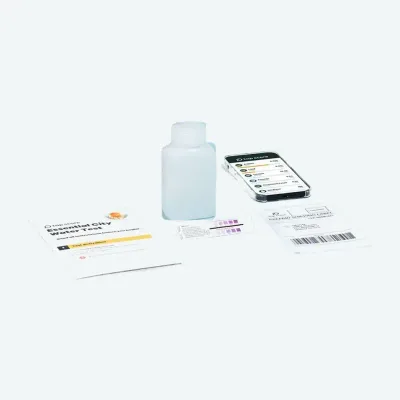
A water test shows whether any of these is in your water before you pick a filter. For the longest certified lists, compare reverse osmosis systems.
What Brita owners say
I read the Amazon review summaries for Brita's best-selling filters and a large pitcher on October 13, 2026, and a Reddit thread on October 14, 2026. Taste gets the most praise. The fit and life of the filters get the most complaints.
Taste wins. The Standard filter three-pack averages 4.8/5 from 227,744 ratings, and the Elite two-pack 4.6/5 from 56,334. On the Brita Large pitcher with SmartLight, 59 of the 65 reviews that mention water taste are positive.
Filters don't always fit or last. On the Standard three-pack, 444 of 1,405 reviews that mention fit are negative, and 336 of 1,077 that mention durability. Amazon's summary says some owners report water “coming out black.” Brita's FAQ says that seeing carbon particles “after several weeks of use is normal with our older filters.”
The indicator divides owners. On the Large pitcher, 33 of the 61 reviews that mention the filter indicator are negative, and 41 of 60 that mention durability.
Reddit is realistic about the limits. In the same r/WaterTreatment thread, another commenter sums Brita up this way: such filters “mostly get rid of chlorine and some heavy metals (like lead), and they make the water taste better.”
Brita warranty and returns
Brita's limited warranty (version of September 14, 2026) runs 90 days for pitchers and dispensers, and one year for faucet systems and under-sink systems, from the date of purchase or delivery.
Where you buy matters. The warranty applies to purchases from authorized sellers, and it says “Unauthorized sellers may include, without limitation, Third-Party Sellers on Amazon or other online marketplaces.” If you buy on Amazon, check who the seller is.
Brita's FAQ promises more: a 30-day money-back guarantee “and a 1-year warranty in case your Brita gets damaged.” For a pitcher, that one year doesn't match the 90 days in the warranty document. Keep your receipt and ask Brita which term applies before a claim.
Questions people ask
Does a Brita filter reduce lead?
Does Brita filter out fluoride?
Does Brita filter PFAS?
How often should you replace a Brita filter?
Why are there black specks in my Brita water?
Is the Brita Stream discontinued?
Listing by model
NSF, WQA and IAPMO public listings, checked Oct 14, 2026. The contaminants or other substances removed or reduced by these devices are not necessarily in your water.