
Is New Orleans tap water safe to drink?
In the latest results, every contaminant we list with a single federal limit was below that limit or action level. Lead was 6 ppb at the 90th percentile, below the 15 ppb action level. EPA’s goal for lead is zero. PFOA or PFOS was found at or above 4.0 ppt, the new federal limit. Utilities must comply from 2029, based on a running annual average, so a single test result is not a violation. Lithium was found above EPA’s health reference level (10 ppb), a screening value that is not an enforceable limit. EPA lists 1 health-based violation in the last 10 years, the latest in Jan 2025. See how US tap water compares nationally.
What’s in New Orleans tap water
Latest results from SWBNO’s 2024 report and EPA records. One row per contaminant, with the type of limit in the limit column.
| Contaminant | Result | Limit | Sampled | Source |
|---|---|---|---|---|
| LeadComes mostly from home plumbing, not from the source water. | 6 ppb 90th percentile reported to EPA | 15 ppbAction level · goal 0Drops to 10 ppb on Nov 1, 2027 (Lead and Copper Rule Improvements). | 2023–2025 | EPA SDWIS record, LA1071009 |
| PFOAA “forever chemical” with a federal limit. | Up to 4.1 ppt Found in 2 of 12 samples at 3 entry points | 4.0 pptLegal limit (MCL) · goal 0Applies to a running annual average. Utilities must comply from 2029; EPA proposed 2031 in May 2026. | Mar 2023 – Mar 2025 | EPA UCMR 5 final occurrence data (Aug 2026 release) |
| PFOSA “forever chemical” with a federal limit. | Up to 4.2 ppt Found in 2 of 12 samples at 3 entry points | 4.0 pptLegal limit (MCL) · goal 0Applies to a running annual average. Utilities must comply from 2029; EPA proposed 2031 in May 2026. | Mar 2023 – Mar 2025 | EPA UCMR 5 final occurrence data (Aug 2026 release) |
| Other PFASFound among the 27 other PFAS EPA had utilities test. | 4 found PFBA up to 9.1 ppt; PFPeA up to 8.8 ppt; HFPO-DA up to 5.4 ppt; PFHxA up to 3 ppt | VariesSet per compound in EPA’s PFAS rule | Mar 2023 – Mar 2025 | EPA UCMR 5 final occurrence data (Aug 2026 release) |
| Nitrate + nitrite (as N)From fertilizer runoff and septic systems. | 1.3 mg/L | 10 mg/LLegal limit (MCL) · goal 10 | 2024 | SWBNO 2024 Consumer Confidence Report (East Bank) |
| Total trihalomethanesByproducts of disinfection. | 29 ppb Highest locational running annual average; range 13–54 | 80 ppbLegal limit (MCL) | 2024 | SWBNO 2024 Consumer Confidence Report (East Bank) |
| Haloacetic acids (HAA5)Byproducts of disinfection. | 23 ppb Highest locational running annual average; range 5–37 | 60 ppbLegal limit (MCL) | 2024 | SWBNO 2024 Consumer Confidence Report (East Bank) |
| LithiumUnregulated; EPA is collecting national data. | Up to 14 ppb Found in 3 of 12 samples at 3 entry points; range 11.1–14 | 10 ppbEPA health reference levelA health reference level is a screening value, not an enforceable limit. | Mar 2023 – Mar 2025 | EPA UCMR 5 final occurrence data (Aug 2026 release) |
ppb = parts per billion (µg/L), ppt = parts per trillion (ng/L). The bar shows the result against the limit (black line). Limits: EPA drinking water regulations, PFAS rule, Lead and Copper Rule Improvements. “Not detected” means below the lab’s reporting level, not zero.
EPA violations
EPA’s SDWIS database lists 6 violation records for SWBNO since 2006, 1 of them health-based. All have a return-to-compliance date.
Not listed: 2 older monitoring, reporting or notice records (2006–2016), none health-based.
Shown: health-based violations and everything from the last 10 years. Source: EPA SDWIS record, LA1071009, retrieved Oct 13, 2026.
How hard is New Orleans water?
SWBNO’s 2024 water quality report does not list hardness. Hardness has no federal health limit. A test kit or a lab test measures it at your tap (see how to test water hardness).
What to do with these numbers
Only what the data above points to.
Lead comes from home plumbing
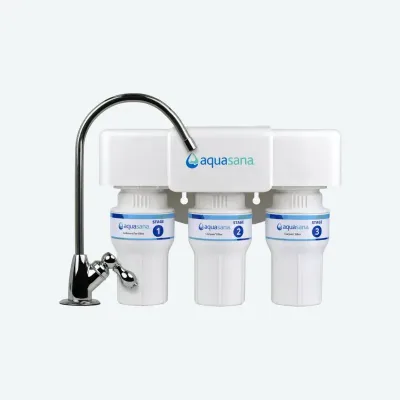
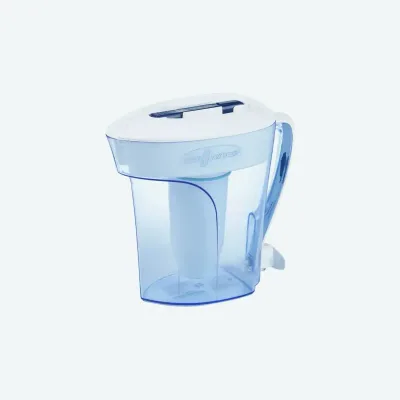
EPA’s goal for lead is zero. Older faucets, lead solder and lead service lines can add lead at your tap. A filter certified to NSF/ANSI 53 for lead reduces it.
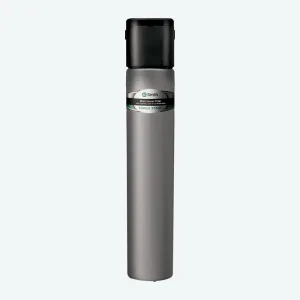
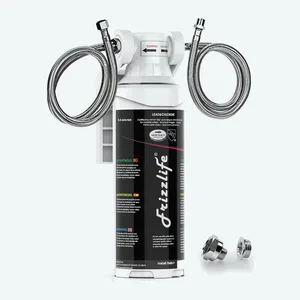
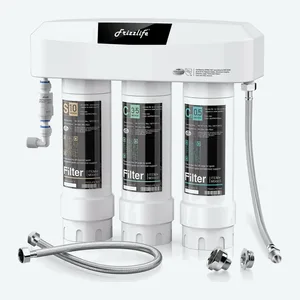
Certified to reduce lead. Lead is not necessarily in your water.
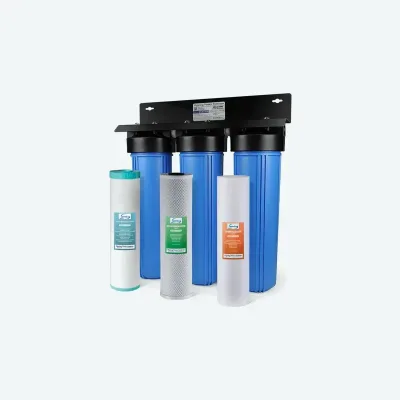
All filters compared →PFOA or PFOS found in testing
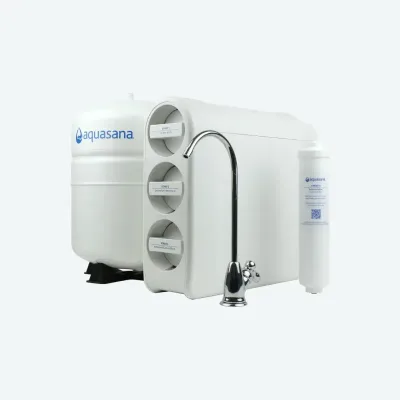
Filters certified to NSF/ANSI 53 or 58 for PFOA and PFOS reduce them at the tap.
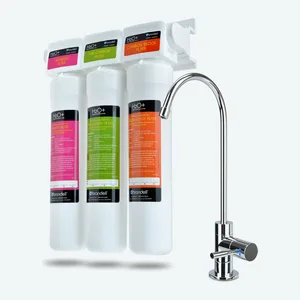
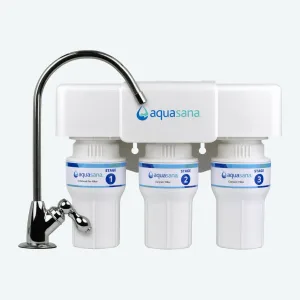
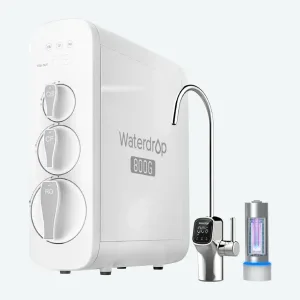
Certified to reduce PFOA and PFOS. PFAS is not necessarily in your water.
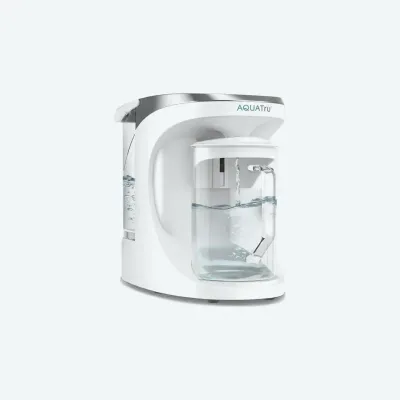
Reverse osmosis systems →Chloramine taste and smell
SWBNO disinfects with chloramine on purpose. If you dislike the taste, look for a filter certified to NSF/ANSI 42 for chloramine. For home dialysis and aquariums it must be reduced first.
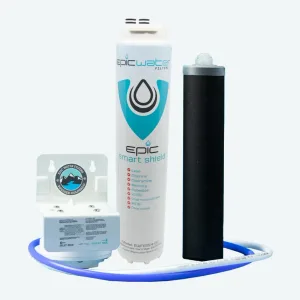
Certified to reduce chloramine.
Under-sink filters compared →Test your own water
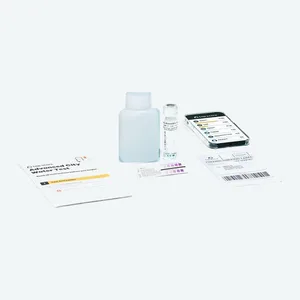
SWBNO’s numbers come from its own sampling sites. A certified lab test of your faucet shows lead and copper from your plumbing and the chloramine level at your tap. How to test your own tap for lead, starting with your water utility.
All water tests compared →